
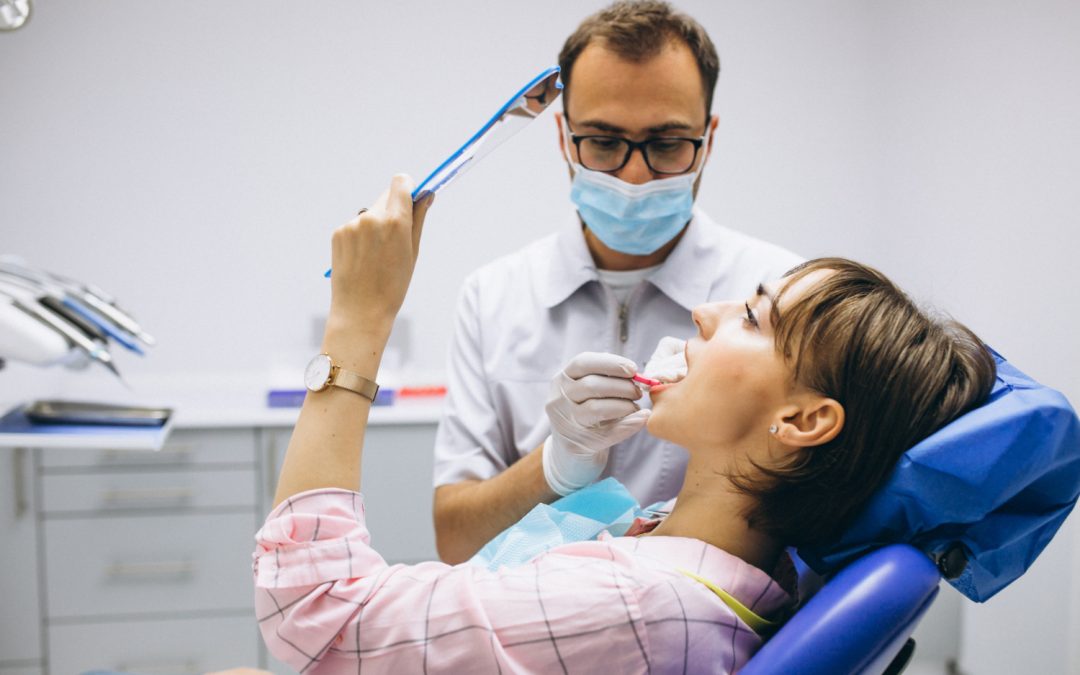
Gum disease, also known as periodontal disease, is one of the most common dental problems affecting adults worldwide. While it often starts silently, its impact on oral health can be significant, leading to tooth loss, bad breath, and even systemic health issues if left untreated. Understanding the causes, symptoms, and treatments of gum disease is essential for maintaining healthy gums and a confident smile.
What is Gum Disease?
Gum disease is an infection of the tissues surrounding and supporting your teeth. It usually begins with gingivitis, the early stage of gum disease, which is characterized by inflammation and irritation of the gums. If left untreated, it can progress to periodontitis, a more severe condition that can destroy the supporting bone and tissues, ultimately leading to tooth loss.
Causes of Gum Disease
Several factors contribute to the development of gum disease. The most common causes include:
1. Poor Oral Hygiene
The primary cause of gum disease is inadequate oral hygiene. Failing to brush and floss regularly allows plaque, a sticky film of bacteria, to build up along the gum line. Over time, plaque hardens into tartar, which can only be removed by a dental professional. The bacteria in plaque and tartar trigger inflammation and infection in the gums.
2. Smoking and Tobacco Use
Tobacco products significantly increase the risk of gum disease. Smoking weakens the immune system, making it harder for the body to fight off infections, including gum infections. Smokers are also more likely to have tartar buildup and delayed healing after dental treatments.
3. Hormonal Changes
Hormonal changes during puberty, pregnancy, menstruation, or menopause can make gums more sensitive and prone to inflammation. Pregnant women, for example, may experience pregnancy gingivitis, which causes red, swollen gums that bleed easily.
4. Medical Conditions
Certain health conditions can increase the risk of gum disease. Diabetes, for instance, reduces the body’s ability to fight infections, making gum disease more severe. Other conditions like cardiovascular disease, obesity, and autoimmune disorders can also influence gum health.
5. Medications and Dry Mouth
Some medications reduce saliva production, leading to dry mouth. Saliva plays a crucial role in washing away food particles and neutralizing acids in the mouth. Reduced saliva flow can increase the risk of plaque accumulation and gum disease.
6. Genetics
Some individuals are genetically predisposed to gum disease. Even with good oral hygiene, they may be more prone to developing periodontal issues.
Symptoms of Gum Disease
Early detection is key to preventing serious damage. Here are common signs to watch for:
1. Bleeding Gums
Bleeding while brushing or flossing is often the first visible sign of gum disease. Healthy gums should not bleed during normal oral care.
2. Swollen, Red, or Tender Gums
Inflamed gums are a hallmark of gingivitis. Swelling, redness, or tenderness indicates an immune response to bacterial buildup along the gum line.
3. Persistent Bad Breath
Chronic bad breath, also called halitosis, can result from bacterial activity in plaque and tartar. If mouthwash or brushing does not alleviate the odor, it may be a sign of gum disease.
4. Receding Gums
Gum recession exposes more of the tooth’s surface and sometimes the roots. This can increase tooth sensitivity and create pockets where bacteria thrive.
5. Loose or Shifting Teeth
In advanced periodontitis, the supporting bone and tissues weaken, causing teeth to loosen or shift. This is a serious sign that immediate treatment is necessary.
6. Changes in Bite or Teeth Alignment
Gum disease can affect how teeth fit together when you bite. Misalignment may occur as gums and bone deteriorate.
Treatments for Gum Disease
The good news is that gum disease is treatable, especially when caught early. Treatment options vary depending on the severity of the condition.
1. Professional Dental Cleaning
For mild gum disease (gingivitis), a thorough cleaning by a dental hygienist can remove plaque and tartar. Regular professional cleanings, usually every six months, are essential to prevent progression.
2. Scaling and Root Planing
For moderate to advanced gum disease, scaling and root planing is often recommended. This deep-cleaning procedure removes tartar from above and below the gum line and smooths the tooth roots to help gums reattach to teeth.
3. Medications
Dentists may prescribe antibiotics or antimicrobial mouth rinses to help reduce bacterial infection. In some cases, oral antibiotics may be used to treat more severe infections.
4. Surgical Treatments
For severe periodontitis, surgical options may be necessary, including:
-
Flap Surgery: Lifting gums to remove tartar deposits deep under the gum line.
-
Bone and Tissue Grafts: Rebuilding damaged bone or gum tissue to support teeth.
-
Guided Tissue Regeneration: Stimulating the regrowth of bone and gum tissue destroyed by infection.
5. Lifestyle and Home Care
Maintaining good oral hygiene at home is crucial. Brush at least twice daily, floss daily, and use an antiseptic mouthwash. Avoid smoking, limit sugary foods, and maintain a healthy diet to support gum health.
Preventing Gum Disease
Prevention is always better than treatment. Here’s how to protect your gums:
-
Brush and floss daily to remove plaque.
-
Visit your dentist regularly for cleanings and checkups.
-
Avoid tobacco products and limit alcohol consumption.
-
Eat a balanced diet rich in vitamins C and D.
-
Manage underlying health conditions, such as diabetes.
Conclusion
Gum disease is a common but serious condition that affects not only your oral health but also your overall well-being. By understanding the causes, recognizing early symptoms, and seeking timely treatment, you can maintain healthy gums and prevent long-term dental complications.
Early intervention is key—bleeding gums, persistent bad breath, or receding gums should never be ignored. Regular dental checkups, good oral hygiene, and a healthy lifestyle are your best defense against gum disease. Take charge of your oral health today and enjoy a confident, healthy smile for years to come.